

A Village That Printed Stories
Centuries before printed calendars and mass-produced decorations became common, families across northern Vietnam welcomed the Lunar New Year with colorful folk paintings created in a small village along the southern bank of the Đuống River.
Known today as Đông Hồ folk paintings (Tranh dân gian Đông Hồ), these works were far more than seasonal decorations. They celebrated everyday life, reflected community values, and expressed hopes for prosperity, harmony, and happiness in the year ahead.
Although they originated in a single village in present-day Bắc Ninh Province, Đông Hồ paintings gradually became one of Vietnam's most recognizable artistic traditions, admired for both their craftsmanship and the stories they tell.
Art Made for Everyday Life
Many artistic traditions were created for royal courts, religious institutions, or wealthy patrons. Đông Hồ paintings were different.
They were made for ordinary families.
During Tết, villagers visited local markets to choose paintings that reflected their aspirations for the coming year. A household might select images symbolizing abundance, family harmony, scholarly success, or good fortune—not because they were expensive works of art, but because the stories they carried resonated with everyday life.
This connection between art and daily living helped Đông Hồ become a tradition shared across generations rather than confined to galleries or palaces.
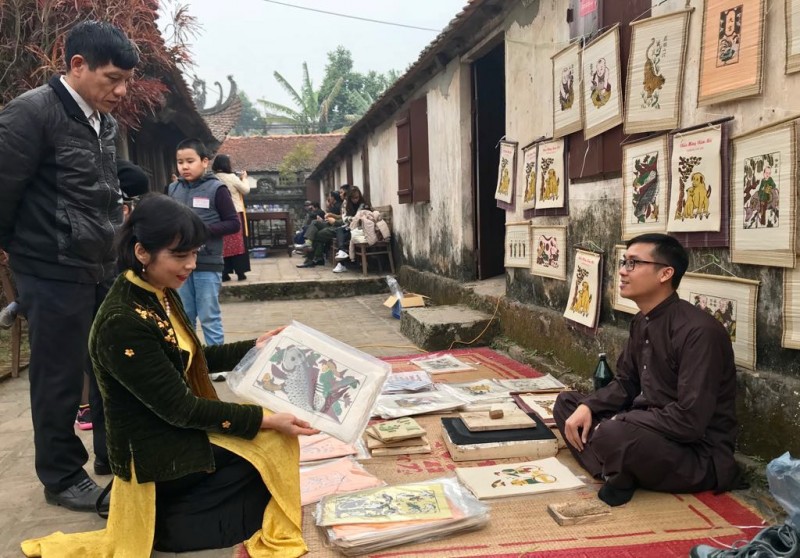
Figure 1. During the Lunar New Year, families traditionally selected Đông Hồ paintings whose subjects reflected their hopes and aspirations for the coming year. Photo: laodongthudo.vn
A Craft Built Through Many Hands
What makes Đông Hồ paintings remarkable is not simply their appearance, but the collaborative relationship between design, carving, printing, and materials.
Each composition begins as an original drawing before being transferred onto carefully carved wooden blocks. Rather than using a single block for the entire image, artisans traditionally carve a separate block for each color, printing one layer at a time until the final composition emerges.
The process demands precision, patience, and experience. Even slight variations in alignment influence the finished work, giving every hand-printed image subtle differences that reflect the artisan's skill.
Many of these carved woodblocks remain treasured family heirlooms, preserving techniques that have been passed from one generation to the next.

Figure 2. Đông Hồ paintings are created through a multi-stage woodblock printing process, with each color traditionally printed using its own carved block. Learn more at here!
Nature as the Artist's Palette
One of the defining characteristics of Đông Hồ paintings is their reliance on natural materials.
Traditional artisans prepared colors from locally available plants, minerals, and other natural resources. The paper itself—known as giấy điệp—is handmade and coated with finely ground seashell powder, giving finished prints a subtle luminosity when viewed in natural light.
These materials were chosen not only because they were readily available, but because they reflected the close relationship between Vietnamese craft traditions and the natural environment.
Rather than striving for photographic realism, Đông Hồ artists favored bold shapes, harmonious colors, and expressive compositions that communicated ideas clearly and memorably.
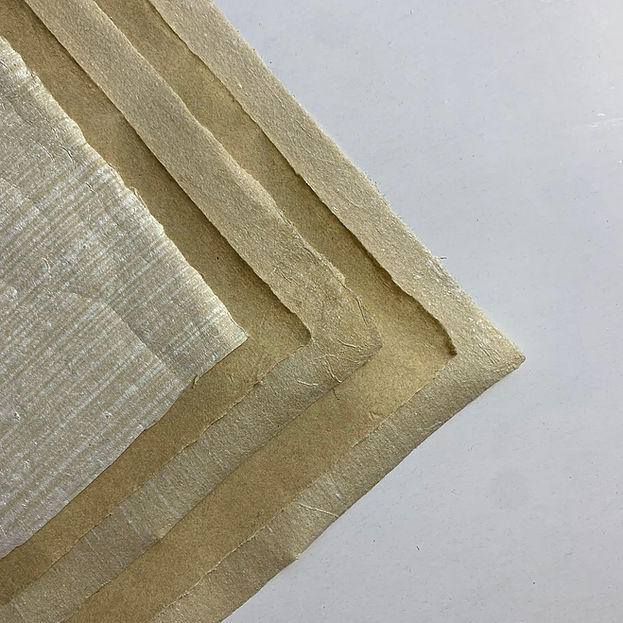
Figure 3. Handmade giấy điệp paper and naturally derived pigments contribute to the distinctive appearance of traditional Đông Hồ paintings.
Stories Hidden in Every Image
At first glance, Đông Hồ paintings appear simple.
Look more closely, however, and each composition reveals layers of storytelling.
Some celebrate the rhythms of village life through farming, festivals, and family activities. Others gently satirize society through humor and symbolism. Animals often appear with expressive personalities, allowing artists to communicate ideas about intelligence, diligence, honesty, prosperity, or harmony without relying on written words.
Because these images were widely understood within Vietnamese communities, a single print could communicate ideas that every viewer immediately recognized.
This visual storytelling remains one of the defining characteristics of Đông Hồ folk art.

From Folk Painting to Contemporary Inspiration
Although Đông Hồ painting originated centuries ago, its influence continues today.
Artists, designers, educators, and cultural organizations continue to reinterpret its imagery through contemporary illustration, fashion, graphic design, and public exhibitions. Rather than reproducing historic works exactly, many creators draw upon the visual language of Đông Hồ while expressing it in new ways.
This continuity reflects an important idea: cultural heritage remains meaningful when each generation discovers new ways to appreciate and share it.
Inspiration Behind the Ao Dai Art Zodiac Collection
Our Vietnamese Zodiac Collection is inspired by the enduring artistic legacy of Đông Hồ folk painting.
Rather than reproducing historical prints, each miniature áo dài interprets traditional imagery through original textile artwork designed specifically for the collection. The goal is not to recreate the past exactly, but to celebrate the symbolism, storytelling, and artistic spirit that have made Đông Hồ an enduring part of Vietnam's cultural heritage.
In this way, every piece becomes both a work of art and an invitation to discover the traditions that inspired it.

Preserving a Living Heritage
Like many traditional crafts, Đông Hồ woodblock printing has faced challenges as industrial printing and changing markets reduced demand for handmade works.
Today, artisans, researchers, museums, and cultural organizations continue working to preserve the craft through education, demonstrations, apprenticeships, and exhibitions.
In recognition of its cultural importance, the Craft of Making Đông Hồ Folk Woodblock Printings was inscribed by UNESCO in 2025 on the List of Intangible Cultural Heritage in Need of Urgent Safeguarding. This designation recognizes not only the artistic value of the tradition but also the importance of supporting the communities that continue to practice it.
Why Đông Hồ Still Matters
The enduring appeal of Đông Hồ lies not only in its craftsmanship but also in its humanity.
Its images remind us that art does not need to be created for kings or displayed in grand museums to become culturally significant. Paintings made for ordinary homes have become extraordinary records of Vietnamese history, values, humor, and everyday life.
That is why Đông Hồ continues to inspire artists today—including us. Every time these stories are shared, reinterpreted, or appreciated by a new generation, the tradition remains alive.
Sources & Further Reading
- UNESCO – Craft of Making Đông Hồ Folk Woodblock Printings
- UNESCO – 2025 Decision on the Inscription of the Craft of Making Đông Hồ Folk Woodblock Printings
- Vietnam National Museum of History
- Vietnam Museum of Fine Arts
- Day tours Hanoi
0 comments